Erectile Dysfunction • PDE5 Inhibitor

Indian Avanafil Brands & Manufacturing Standards

India is one of the world’s largest producers of avanafil generics, supported by a mature pharmaceutical ecosystem, strong GMP compliance, and extensive QC processes. Indian manufacturers supply a wide range of PDE5 inhibitor formulations — including standard tablets, Soft Tabs, and ODT — enabling broad global distribution. Their production scale, formulation diversity, and packaging quality make Indian brands central to international avanafil availability. This page provides a strictly informational, non‑commercial overview of Indian avanafil brands, manufacturing standards, packaging characteristics, and authenticity markers. For broader context, see Overview, formulation details in Soft Tabs and ODT, and safety guidance in Online Safety.

Why India Produces Many Avanafil Brands
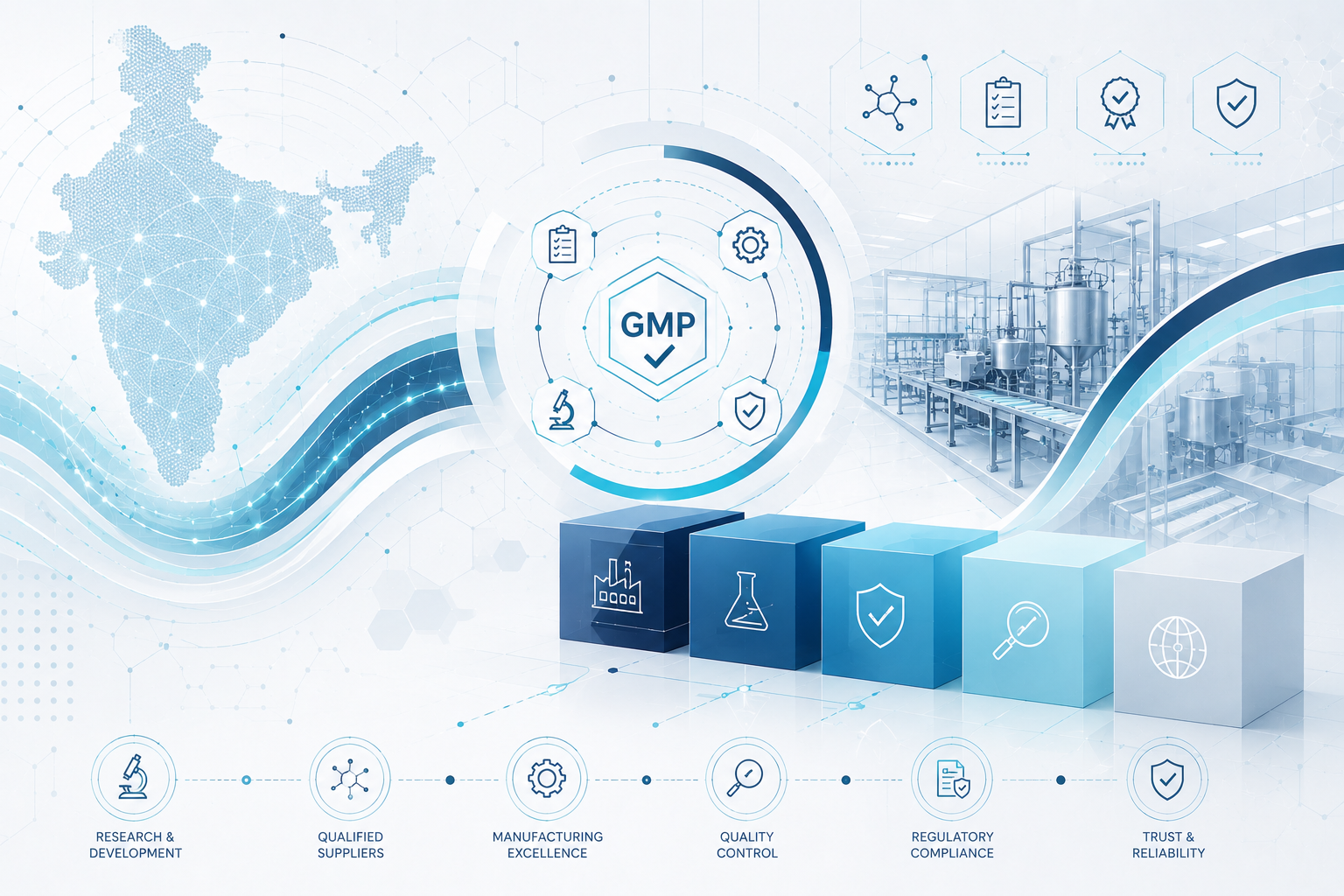
India has become one of the world’s leading producers of avanafil generics due to its large‑scale pharmaceutical manufacturing capacity, mature generic medicine industry, and globally integrated export network. The country’s infrastructure supports high‑volume synthesis of active pharmaceutical ingredients (APIs), allowing manufacturers to produce avanafil efficiently while maintaining strict GMP compliance. This industrial scale enables Indian companies to supply avanafil to numerous international markets, reinforcing India’s role as a central hub for PDE5 inhibitor production. For broader context, see the Overview.

Indian pharmaceutical companies operate within a regulatory environment that emphasizes quality control, validated manufacturing processes, and batch‑level testing. These standards ensure that avanafil formulations remain consistent in purity, stability, and pharmacological performance. Many manufacturers also invest in advanced process engineering, enabling reliable production of avanafil across multiple dosage forms.

The country’s export‑driven ecosystem further strengthens its dominance. India maintains extensive distribution channels that supply avanafil to regions in Asia, Africa, Europe, and South America. Combined with competitive production costs and strong formulation expertise, this makes India a major contributor to global avanafil availability. To understand how avanafil works pharmacologically, visit Mechanism.

Manufacturing Standards (GMP) for Indian Avanafil

Indian avanafil manufacturers operate under Good Manufacturing Practice (GMP) frameworks aligned with national CDSCO Schedule M requirements and increasingly harmonized with WHO‑GMP, EU‑GMP, and USFDA expectations. Facilities must demonstrate validated processes, controlled environments, and robust documentation systems covering every stage of production — from API synthesis to finished dosage forms. Batch records, deviation management, and change control are mandatory, ensuring traceability and reproducibility of avanafil quality across large‑scale output.

Quality control (QC) laboratories perform identity, purity, assay, and dissolution testing on each batch, using validated analytical methods and calibrated instruments. Stability studies under ICH‑like conditions (heat, humidity, light) confirm that avanafil maintains potency and safety throughout its shelf life. Many Indian manufacturers also hold ISO‑series certifications for quality management systems, reinforcing process discipline, data integrity, and continuous improvement. These layers of oversight help align Indian avanafil generics with international expectations for PDE5 inhibitor safety and performance.

For patients and prescribers, understanding these standards is directly relevant to online purchasing decisions. Verifying GMP‑compliant manufacturers, ISO‑certified facilities, and documented stability testing is an important part of assessing product reliability and minimizing counterfeit risk. Practical guidance on verifying legitimate sources and avoiding unsafe products is available in Online Safety.

Standard Description Impact
GMP Good Manufacturing Practice Ensures consistent quality
ISO International quality certification Improves production reliability
Stability Testing Heat/humidity resistance Ensures long‑term product integrity

Common Indian Avanafil Formulations

Indian pharmaceutical companies manufacture avanafil in multiple oral dosage forms to meet diverse clinical and patient needs. The most common formulation is the conventional film‑coated tablet, designed for predictable absorption and standardized dosing across strengths. These tablets typically follow bioequivalence requirements versus reference products, with controlled excipient profiles and dissolution characteristics that support reliable onset and duration of PDE5 inhibition.

Many Indian brands also produce avanafil Soft Tabs, which are chewable or rapidly dispersible tablets intended to simplify administration and potentially improve convenience for patients who prefer not to swallow conventional tablets. Soft Tabs often use taste‑masking and fast‑disintegration excipients while maintaining equivalent active dose delivery. Similarly, orally disintegrating tablet (ODT) formulations, detailed in ODT, are designed to dissolve on the tongue without water, supporting use in settings where fluid intake is limited or discretion is important.

Across these formulations, Indian manufacturers apply standardized QC testing for content uniformity, hardness, friability, and dissolution to ensure consistent pharmacokinetic performance. The availability of tablets, Soft Tabs, and ODT options reflects India’s formulation expertise and its focus on patient‑centric design, while still adhering to regulatory expectations for generic avanafil safety and efficacy.

Packaging & Stability of Indian Avanafil

Packaging plays a critical role in maintaining avanafil stability and helping patients distinguish legitimate Indian brands from substandard or counterfeit products. High‑quality blisters with aluminum‑aluminum or PVC/PVDC laminates are commonly used to protect tablets, Soft Tabs, and ODT from moisture and oxygen. Proper sealing integrity and barrier properties reduce degradation risk, supporting the labeled shelf life under normal storage conditions. Clear, smudge‑resistant printing on blister foil and cartons is essential for readability and regulatory compliance.

Authentic Indian avanafil packs typically display batch numbers, manufacturing and expiry dates, and sometimes serialization codes that enable traceability through the supply chain. Many manufacturers also use holograms, tamper‑evident seals, or security labels to deter counterfeiting and provide visual confirmation of brand authenticity. Stability indicators — such as storage instructions and temperature limits — guide patients on how to preserve product integrity at home.

Packaging choices and stability performance can influence overall cost, especially when higher‑barrier materials or advanced security features are used. These factors, along with formulation type and manufacturer reputation, contribute to pricing differences between Indian avanafil brands. For a broader discussion of how packaging, manufacturing, and distribution affect cost, see Price Factors.

Differences Between Indian Avanafil Brands

Indian avanafil brands vary significantly in their manufacturing approaches, quality‑control depth, formulation technologies, and packaging standards. Although most manufacturers operate under GMP frameworks, the rigor of QC testing can differ from one company to another. Some producers conduct expanded analytical testing — including impurity profiling, accelerated stability studies, and dissolution curve comparison — while others follow only baseline regulatory requirements. These differences influence consistency, batch‑to‑batch reliability, and long‑term product stability.

Formulation technology is another area where brands diverge. Certain manufacturers invest in advanced excipient systems to optimize dissolution speed, aiming for faster onset and more predictable absorption. Others rely on conventional tablet matrices that may produce slower or more variable dissolution profiles. Soft Tabs and ODT formulations also vary in disintegration time, taste‑masking quality, and mouthfeel, reflecting differences in formulation expertise and equipment sophistication.

Packaging quality further distinguishes Indian brands. High‑barrier blisters, crisp foil printing, serialization, and holographic security elements are common among top‑tier manufacturers, while lower‑tier brands may use simpler PVC blisters with minimal anti‑counterfeit features. These packaging variations affect stability, especially in humid climates, and can influence patient confidence and product authenticity verification.

Understanding these differences helps users evaluate reliability, consistency, and safety when comparing Indian avanafil options. For guidance on choosing between brands, visit Brand Selection. For safety considerations and potential adverse effects, see Side Effects.

Indian vs International Avanafil Brands

Indian and international avanafil brands differ in production scale, regulatory oversight, packaging style, and formulation diversity. India’s pharmaceutical industry is built around high‑volume generic manufacturing, enabling large output at competitive cost. This scale supports broad availability of tablets, Soft Tabs, and ODT formulations, reflecting India’s strong expertise in generic PDE5 inhibitor development. International brands, particularly those produced in the U.S., EU, or Japan, typically operate under stricter regulatory frameworks such as EMA or FDA, which may require more extensive documentation, stability data, and post‑market surveillance.

Packaging also differs: international brands often use premium blister materials, serialized cartons, and high‑resolution printing, while Indian brands vary from basic PVC/PVDC blisters to high‑barrier alu‑alu formats. These differences influence shelf life, moisture protection, and counterfeit resistance. International products may also include more advanced tamper‑evident features and serialization systems aligned with global track‑and‑trace requirements.

Formulation diversity is generally broader in India due to its generic‑focused ecosystem, which encourages innovation in alternative dosage forms. International brands tend to prioritize standard tablets with highly consistent pharmacokinetic profiles. For a detailed comparison of branded avanafil versus other PDE5 inhibitors, see Stendra vs Viagra.

Authenticity & Verification of Indian Avanafil

Authenticity verification is essential when evaluating Indian avanafil brands, as packaging and QC markers provide the most reliable indicators of legitimate manufacturing. Genuine products typically feature high‑quality blister materials with uniform sealing, consistent foil thickness, and clean, smudge‑resistant printing. Variations in color tone, blurry text, or uneven sealing may indicate substandard or counterfeit production. Batch numbers, manufacturing dates, and expiry dates should be clearly printed and traceable; legitimate manufacturers maintain batch‑level documentation that aligns with GMP requirements and regulatory filings.

GMP markings — including facility codes, license numbers, and standardized layout elements — help confirm that the product originates from a certified manufacturer. Some brands also include holograms, tamper‑evident seals, or serialization features that allow users to verify authenticity through online databases or customer support channels. Blister integrity is equally important: tablets should be uniformly shaped, with no discoloration, moisture spots, or powder leakage.

Users should also evaluate carton quality, printing clarity, and the presence of regulatory statements. These elements collectively reduce the risk of counterfeit exposure and support safe use of avanafil. For broader guidance on safe purchasing practices and risk mitigation, visit Online Safety.

Market Factors Affecting Indian Avanafil Brands

The availability and pricing of Indian avanafil brands are shaped by multiple market forces, including logistics, export routes, seasonal production cycles, and non‑commercial regulatory influences. India’s pharmaceutical export network spans Asia, Africa, Europe, and South America, relying on major shipping hubs such as Mumbai, Chennai, and Hyderabad. Delays in port operations, customs clearance, or international freight capacity can temporarily affect supply consistency and regional availability.

Seasonal factors also play a role. High humidity periods may require increased stability controls, influencing packaging choices and production scheduling. API supply fluctuations — driven by raw material availability or global demand for PDE5 inhibitors — can affect output volume and batch frequency. Non‑commercial influences such as regulatory updates, GMP audits, and export‑license adjustments may also impact pricing and distribution timelines.

These variables collectively shape the market landscape for Indian avanafil brands, contributing to periodic shifts in availability and cost. For a deeper look at how manufacturing, packaging, and logistics affect pricing, visit Price Factors.

Frequently Asked Questions

India has a large, mature generic pharmaceutical industry with extensive API manufacturing capacity and globally integrated export routes. This infrastructure allows manufacturers to produce avanafil efficiently at scale while meeting regulatory requirements. As a result, India supplies many international markets with avanafil generics, making it one of the leading global hubs for PDE5 inhibitor production.

Most reputable Indian manufacturers operate under Good Manufacturing Practice (GMP) standards aligned with national and international guidelines. Facilities undergo routine inspections, maintain validated processes, and follow strict documentation protocols. GMP certification ensures consistent quality, controlled environments, and reliable production of avanafil across multiple dosage forms.

Indian brands often focus on high‑volume generic production and offer diverse formulations such as tablets, Soft Tabs, and ODT. International brands typically operate under stricter regulatory frameworks and may use premium packaging or advanced serialization. Differences can appear in dissolution profiles, packaging quality, and stability testing depth, depending on the manufacturer.

Yes. Many Indian pharmaceutical companies produce avanafil Soft Tabs and orally disintegrating tablets (ODT) alongside standard film‑coated tablets. These alternative formulations are designed for faster disintegration, easier administration, and improved convenience. Their availability reflects India’s strong formulation expertise and patient‑centric approach to generic PDE5 inhibitors.

Authentic avanafil packaging typically includes clear batch numbers, manufacturing and expiry dates, consistent foil printing, and high‑quality blister materials. Some manufacturers add holograms, tamper‑evident seals, or serialization codes. Poor print clarity, uneven sealing, or missing regulatory markings may indicate counterfeit or substandard products.

Quality consistency varies by manufacturer. Top‑tier companies maintain strict QC protocols, perform extensive stability testing, and use high‑grade excipients. Lower‑tier producers may follow only baseline regulatory requirements. GMP compliance, packaging quality, and documented testing are strong indicators of consistent avanafil performance.

Dissolution speed varies depending on formulation technology, excipient selection, and manufacturing precision. Some brands use optimized matrices for faster disintegration and more predictable absorption, while others rely on conventional tablet structures. Soft Tabs and ODT formulations generally dissolve faster than standard film‑coated tablets.

Many Indian manufacturers follow QC standards aligned with WHO‑GMP, EMA, and FDA expectations. They perform identity, purity, assay, and dissolution testing using validated methods. However, QC depth can vary between companies, making it important to evaluate documentation, certifications, and stability data when comparing brands.

Pricing differences arise from formulation type, packaging quality, manufacturing scale, and raw material costs. Brands using high‑barrier blisters, advanced excipients, or expanded QC testing may have higher production expenses. Logistics, export routes, and regulatory requirements also influence final pricing across regions.

Yes. India exports avanafil to markets across Asia, Africa, Europe, and South America. Its large manufacturing capacity and competitive production costs support global distribution. Export volumes depend on regulatory approvals, freight availability, and demand for PDE5 inhibitors in each region.

Stability testing follows ICH‑like protocols, exposing avanafil to controlled heat, humidity, and light conditions. Manufacturers evaluate potency, dissolution, and physical integrity over time to confirm shelf life. Accelerated and long‑term studies help ensure the product remains safe and effective throughout its distribution cycle.

Red flags include blurry or inconsistent printing, missing batch numbers, uneven blister sealing, incorrect color tones, and low‑quality foil. Absence of regulatory markings, holograms, or tamper‑evident features may also indicate counterfeit products. Any visible tablet discoloration or damage should be treated as a warning sign.